Is the Air in Your Building a Health Concern? Get a Clear Answer.
The indoor Air Quality Experts
UES First Look™ Assessment Kit
Building assessments
Indoor air quality
Services we offer
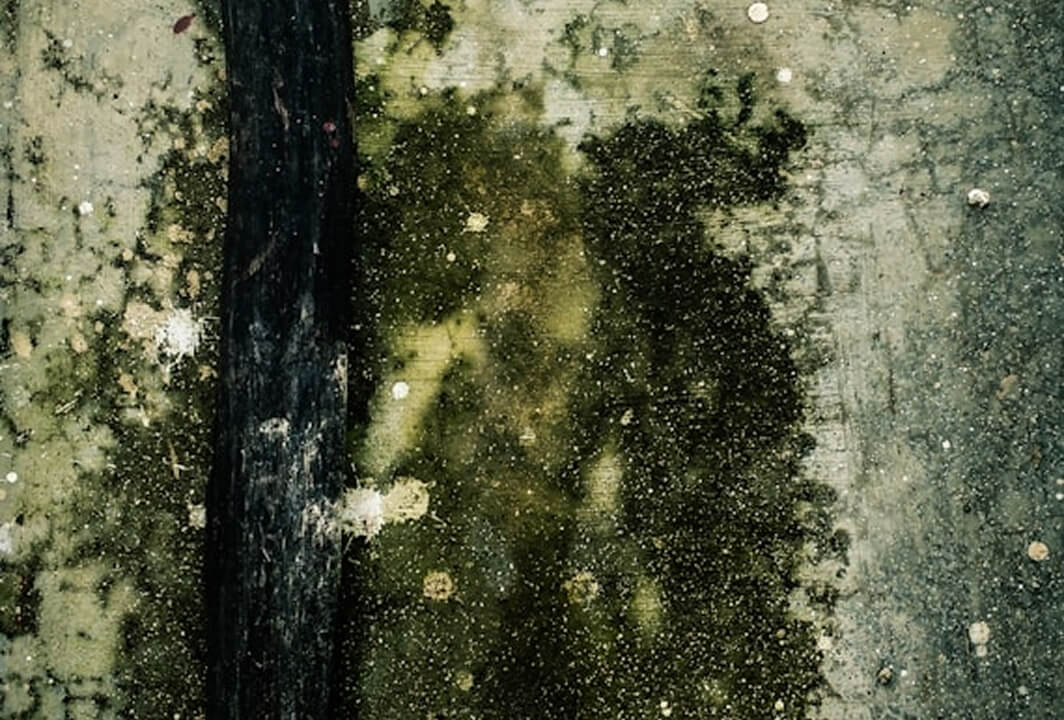
Comprehensive Mold Assessment
Indoor Air Quality & Allergen Testing

Water Intrusion & Damage Assessment
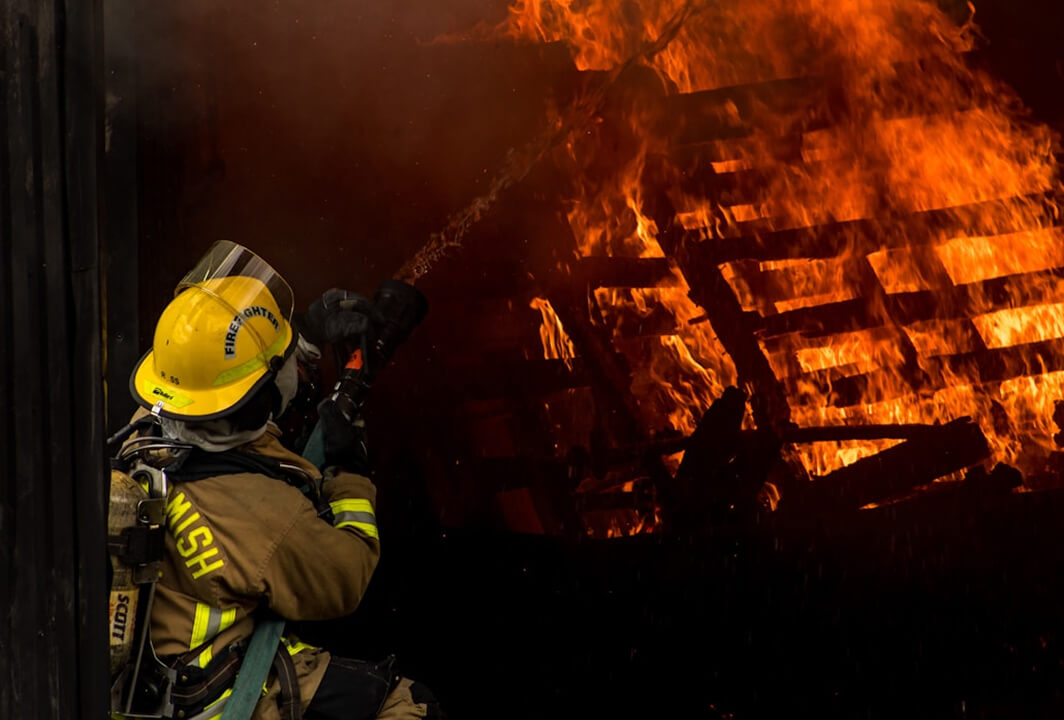
Post-Fire Contaminant Testing
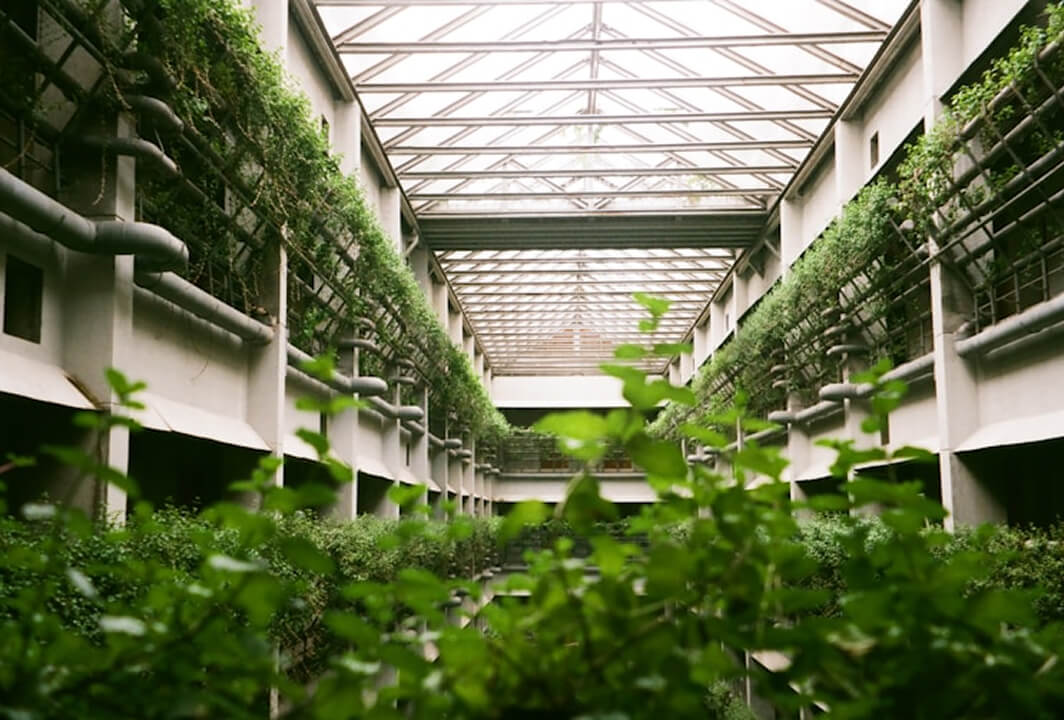
LEED & Green Building Consultation
Building Forensics & Specialized Diagnostics
What our clients say
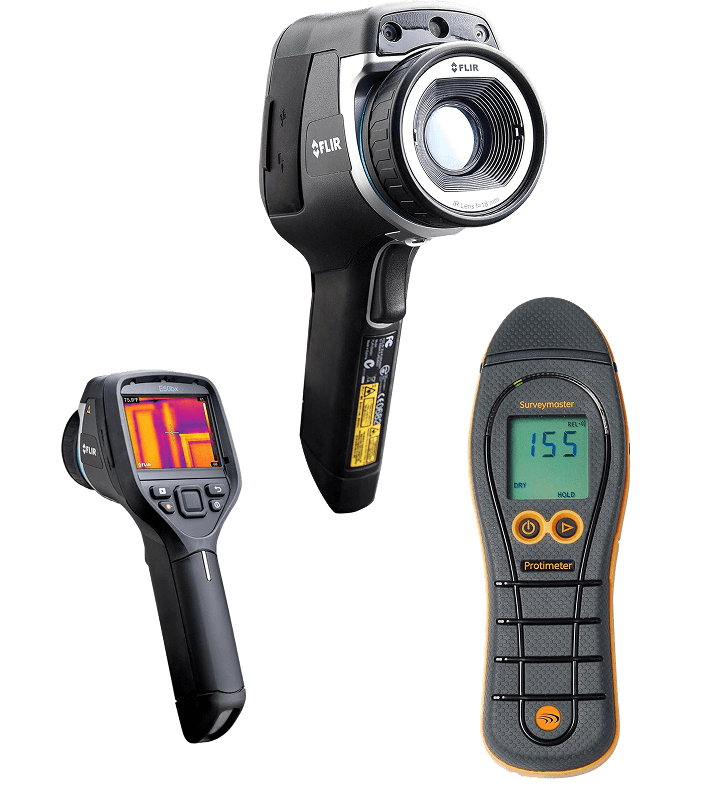
Industry leading tech and techniques powering your assessments data
Schedule Assessment
Why UES is the right choice
UES Consultants has been in business jointly with Air Quality Consultants since 2000. Our mission is to provide our clients with information and services that meet their needs.
With over 20 years of experience, we are committed to providing excellent customer service and industry-leading technical expertise. Our knowledgeable staff is trained to identify problem areas and provide the most cost-effective solutions for indoor air quality complaints and issues related to “Sick Building Syndrome.”
We offer a full range of air quality testing services, building forensic and investigative services, remediation and solutions procedure scopes and risk management assistance. Our inspectors and consultants are state licensed and certified by IAQ (Indoor Air Quality) industry organizations.
We promise to provide our clients with affordable options that will give the most accurate data possible. Our services are comprehensive and tailored to meet the specific needs of each client; therefore we may recommend services that are not always common practice for the air quality industry.
Frequently asked questions
What exactly is mold?
Mold is a type of fungus essential for breaking down organic matter in nature. However, when it grows inside a home, it releases spores that can pose significant risks to both health and property. A professional assessment from UES not only identifies the type of mold but, more importantly, pinpoints the moisture source allowing it to grow.
What causes mold to grow in homes?
Mold requires three things to grow: a food source (like drywall, wood, or dust), a suitable temperature, and moisture. Since the first two are always present in homes, moisture is the critical factor. Leaks, high humidity, and poor ventilation are common culprits that our forensic assessments are designed to uncover.
What do the different colors of mold mean?
Mold comes in many colors (black, green, white, orange), but color is not a reliable indicator of danger. The only way to know for sure what type of mold you have and its potential health risk is through professional sampling and lab analysis, which is a core part of the UES assessment process.
Can't I just clean it with bleach?
While bleach may kill surface mold, it doesn’t address the microscopic roots (hyphae) that grow into porous materials like drywall. It also doesn’t solve the underlying moisture problem. Without fixing the source, which UES specializes in identifying, the mold will almost always return.
How quickly can mold grow after a water leak?
In Florida’s humid climate, mold can begin to grow in as little as 24 to 48 hours after a water event. This is why our Water Intrusion & Damage Assessment service is so critical – it’s designed for rapid response to assess damage and create a drying plan before mold colonization takes hold.
What is that musty smell in my house?
That distinct musty odor is often caused by Microbial Volatile Organic Compounds (MVOCs), which are gases released by actively growing mold. If you smell it, there’s a very high probability of a hidden mold colony. Our Odor Investigation service can pinpoint the source of these smells.